Who Owns Reality? Part 3

The autumn of 1986 marked a milestone for Statoil. After years of planning and development, production was finally set to begin on Gullfaks – the company’s great masterpiece and its first major field as operator. But just as optimism peaked, oil prices plummeted. What was meant to be a triumph quickly turned into a challenge.
The organization, painstakingly built to manage a large-scale operational unit, now faced a demanding restructuring. Staffing changes hit Gullfaks particularly hard. Such changes rarely come without resistance, and it didn’t take long before a crisis of trust emerged between employees and management – a crisis that would take years to heal.
A story in nine chapters.
Values-Based Leadership
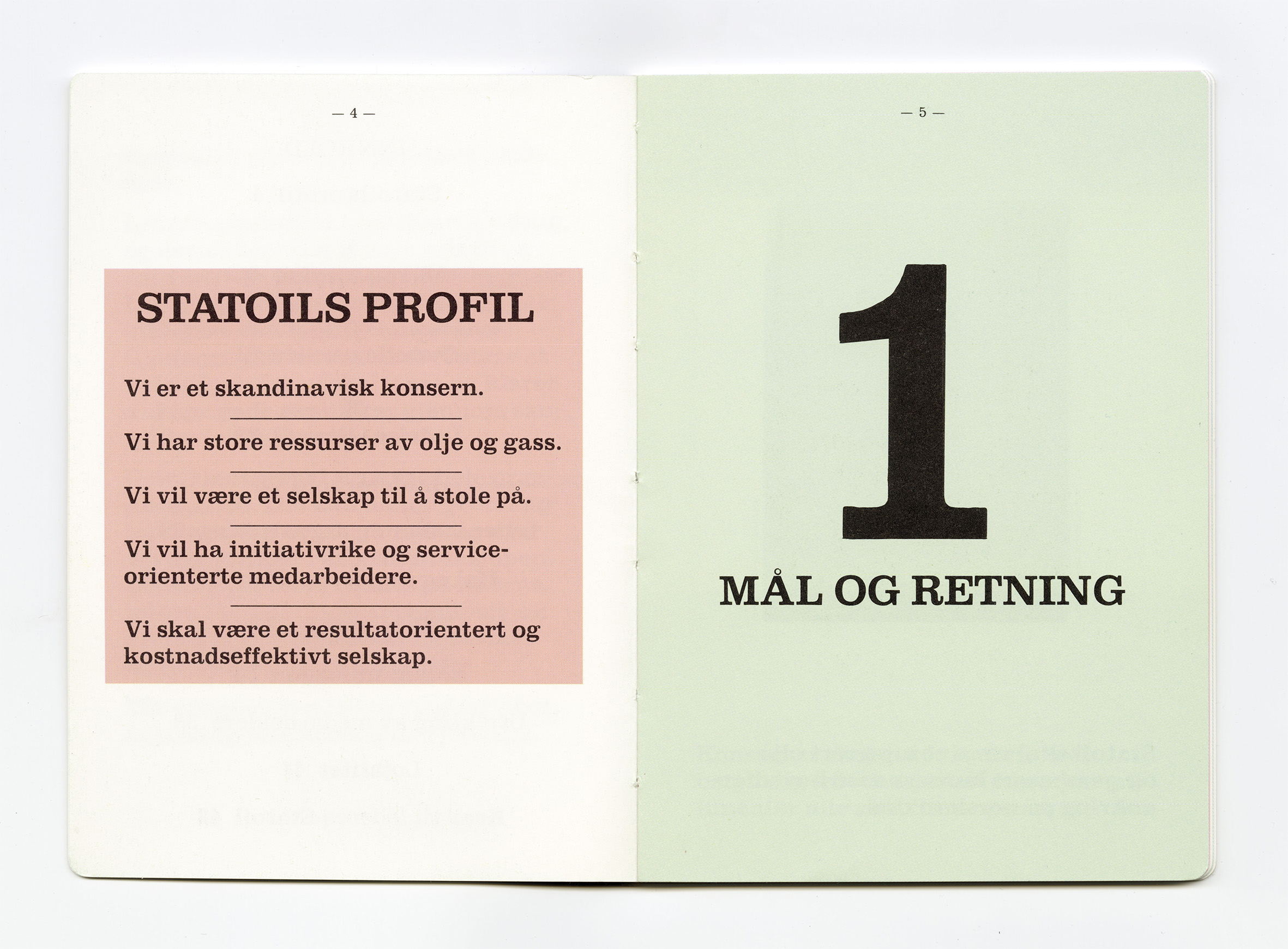
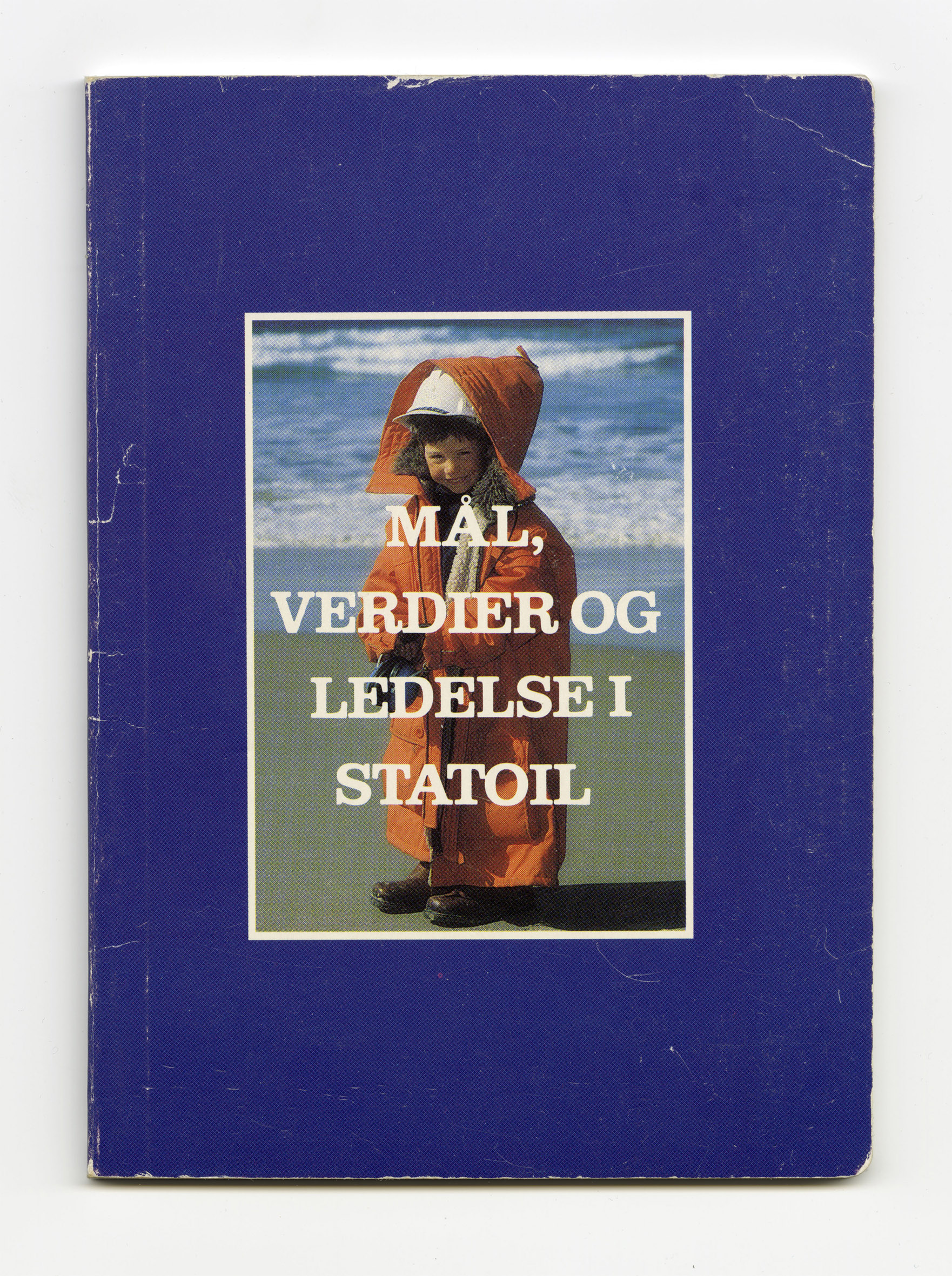
When Harald Norvik assumed the role of CEO at Statoil, he initiated the development of a unified document outlining the company’s goals and values. The result was Harald’s Little Blue Book, which, among other things, defined Statoil as a “Scandinavian corporation.”[REMOVE]Fotnote: Mål, verdier og ledelse i Statoil. (1989). Statoil At the same time, Norvik signaled ambitions for a broader international presence and advocated for a new vision that would reflect the company’s global aspirations.
Norvik emphasized the need for a stronger focus on continuous change and business-oriented goals. This was not merely a personal initiative—it reflected a broader trend in the oil industry during the 1980s, where culture-building and vision-driven leadership became dominant styles. The new leadership mantra was “continuous improvement,” and Statoil integrated this principle into its corporate strategies.[REMOVE]Fotnote: Espedal, Bjarne. (1995). Organisasjonsmessig læring. Stiftelsen for samfunns- og næringslivsforskning. SNF-rapport 78/95. s. 171.
The outcome was the We in Statoil program, designed to strengthen the company’s identity and sense of community. The first section of the vision outlined five core objectives:
- To be a leading international company that creates value
- To compete with the best through continuous improvement
- To prioritize environmental protection and safety
- To deliver service and quality that meets customer needs
- To ensure employee well-being and professional development
The program included five sections describing the attitudes and principles expected to apply across the entire organization. Continuous improvement was highlighted as a central tenet, and Statoil—operating in a highly competitive industry—was required to pursue ongoing efficiency gains and cost reductions.[REMOVE]Fotnote: Espedal, Bjarne. (1995). Organisasjonsmessig læring. Stiftelsen for samfunns- og næringslivsforskning. SNF-rapport 78/95. s. 171 og Status. (1994) Nr. 5. Omstilling er en krevende prosess.
A key element of We in Statoil was a clear duty-based ethic. Every employee was expected to take responsibility and act in accordance with the company’s values and standards. This marked a shift from Harald’s Little Blue Book, which had been more targeted toward leadership. We in Statoil placed greater emphasis on the entire organization, underscoring that everyone – not just managers – should contribute to the collective effort. Collaboration, knowledge-sharing, and joint commitment were presented as the keys to achieving strong results.[REMOVE]Fotnote: Espedal, Bjarne. (1995). Organisasjonsmessig læring. Stiftelsen for samfunns- og næringslivsforskning. SNF-rapport 78/95. s. 173.
As values and visions were being defined, cost-cutting and restructuring programs were also launched. These initiatives tested internal collaboration and put the newly articulated values to the test.
The We in Statoil pamphlet became a symbol of the new leadership culture that would shape the company. For Norvik, the focus on profitability was not just about structure and organization – it was equally about culture and values. Restoring trust in the company required making new leadership expectations visible and investing in leadership development.
Although Harald’s Little Blue Book was intended for all employees, it was in practice perceived as a leadership document, with clear expectations for managers at all levels. Leaders were expected to act as “agents of change” – role models who would lead by example and convince employees of the need for transformation and growth.