
Code red part 1. The gas leak

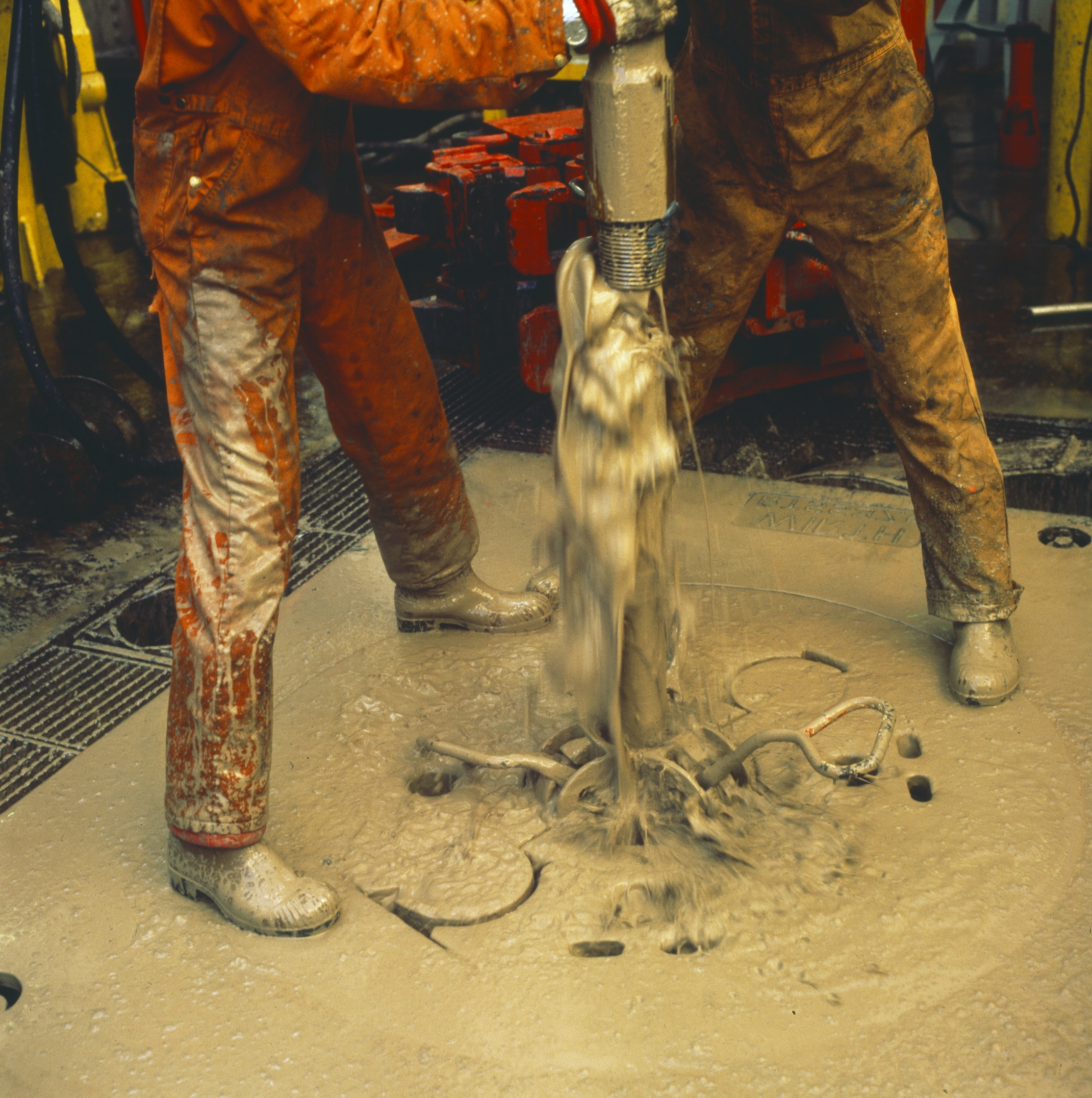
The first sign that something was wrong came on 30 April 2010, when a gas kick occurred in well 34/10-C-6. A gas kick is an indication of unstable well pressure, when gas intrudes into the drilling mud during drilling. This warned that the well’s barriers were not functioning as intended. Despite the incident, drilling continued, but the situation escalated dramatically on 19 May. On that day, gas flowed uncontrollably into the well and up onto the platform deck. The alarm was triggered, and 89 people were evacuated from Gullfaks C.
During this critical phase, Statoil lost large volumes of drilling mud to the formation, which further worsened the situation. Drilling mud acts as an important barrier to keep formation pressure under control, and the loss of mud weakened the well’s pressure barriers. The remaining crew onboard worked intensely to stabilize the well, but they were unable to halt the gas influx. It was not until almost two months later, on 8 June, that Statoil announced the well was under control.
The consequences of the incident were significant. Production on Gullfaks C was shut down for nearly two months and did not resume until 14 July. Because Gullfaks C processes oil and gas from several surrounding fields – including Gullfaks South, Gimle, Tordis, Vigdis, and Visund – the shutdown caused extensive revenue losses. The incident also triggered a series of investigations by the Petroleum Safety Authority (PSA) as well as Statoil’s own internal reviews, which uncovered serious weaknesses in the company’s safety culture, particularly in barrier management, risk understanding, and compliance with internal procedures.
That the incident did not escalate into a major accident was largely a matter of chance. In hindsight, the episode at Gullfaks C stands as a grave warning of how vulnerable offshore operations can be when technical challenges combine with organizational and cultural weaknesses.