
“Oil Kingdom” — The TV Series About Life on Gullfaks C

The documentary aired on NRK and consisted of eight half-hour episodes.
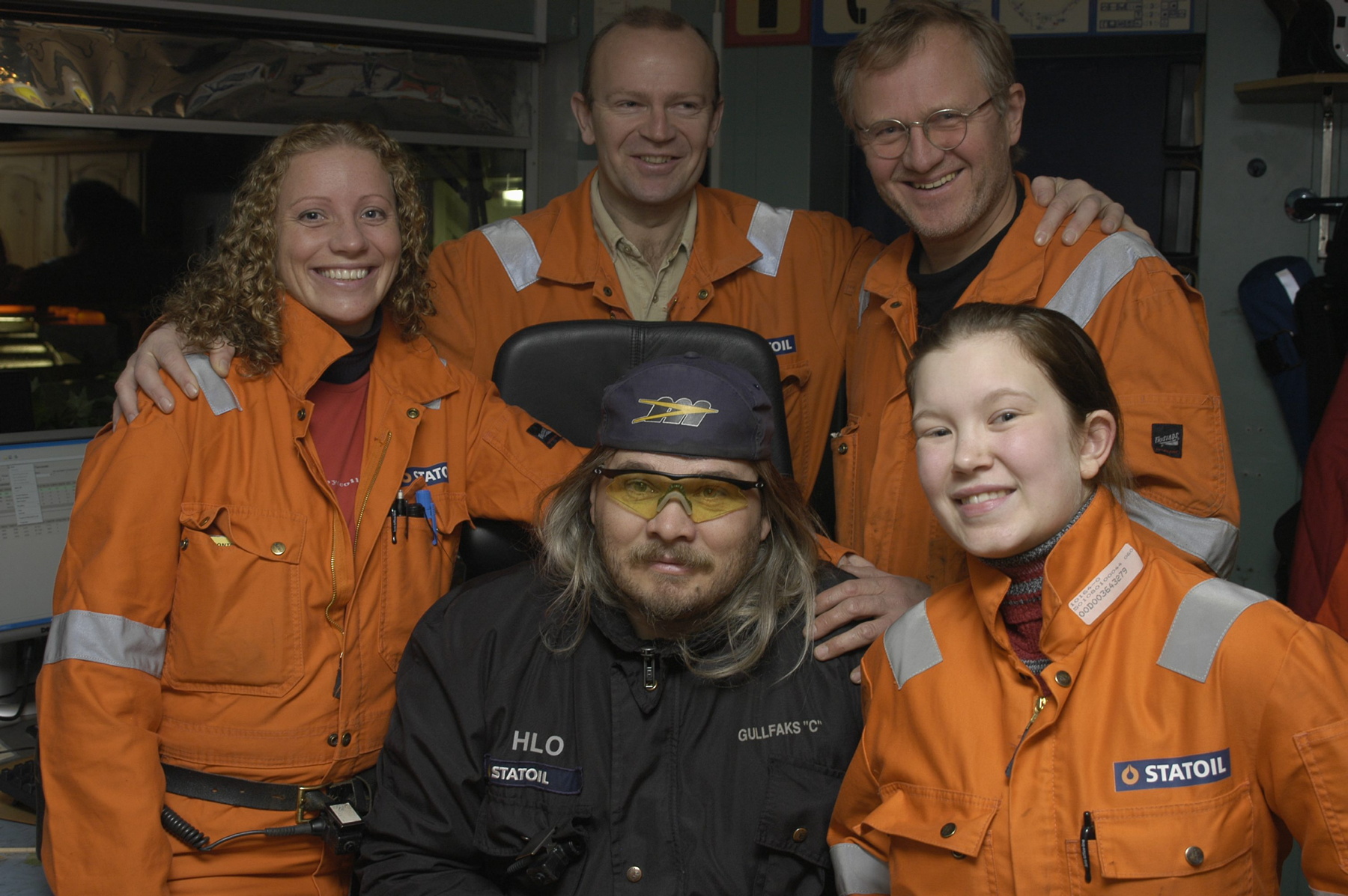
The series first aired in spring 2006 and was the result of a TV crew closely
following the Gullfaks organization since 2004. The documentary focuses on
individuals representing key personnel on Gullfaks C and onshore.
Staff on Gullfaks C
The driller (drilling operator): Idar Hidle has worked offshore for 19 years and
has moved up the ranks from roustabout via roughneck (with duties out on the
drill floor) to now running these activities from a closed control room as a
driller.
The process technician: Ann-Elin Sunde has, among her core responsibilities, the
job of monitoring the many valves in the processing plant.
The offshore installation manager (OIM): Einar Skjerven is followed through the
process of carrying out a necessary production shutdown (costing roughly NOK 10 million per day) to repair the ignition system on the platform flare.
The head chef: We tag along with new hire Hermann Myrseth and his hectic
preparations for the New Year’s dinner.
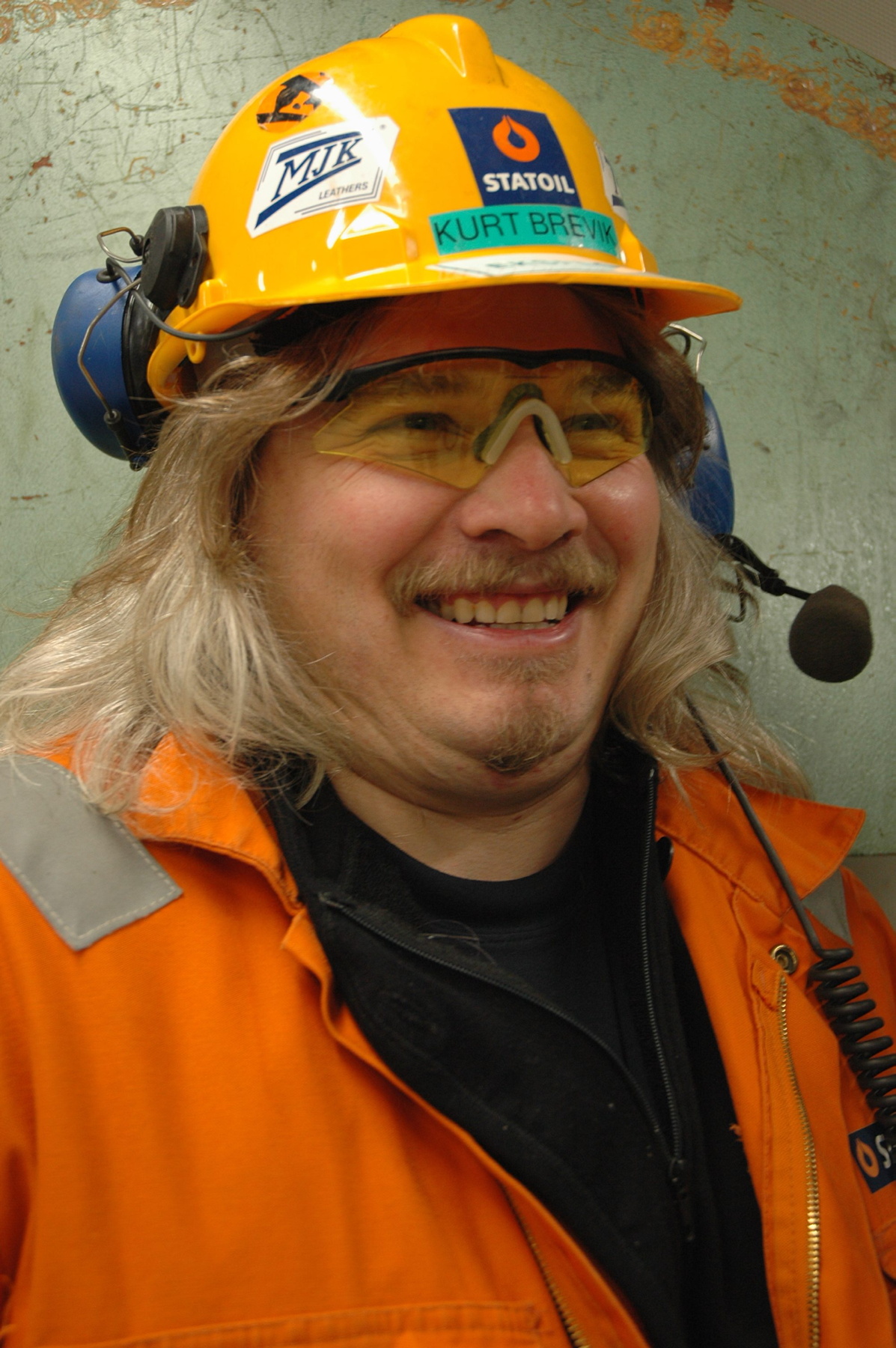
The crane operator: Kurt Brevik sits 80 meters above sea level, lifting
multi-ton containers to and from supply vessels in seas with waves up to five
meters. Each day the three platforms on the Gullfaks field need 300 tons of
supplies. Almost everything arrives by supply ship.
Staff onshore
The geologist: We follow, among others, Eirik Graue during the drilling of an
exploration well with a price tag of about NOK 150 million. It turns out to be a
discovery. The geologists’ work continues on the drill floor (including with
Idar Hidle) to retrieve a core sample. The core is cut and sent onshore for
further analysis. The conclusion is that this is a large new oil discovery
(Topas), later named Gimle. It would become important for extending the life of
Gullfaks.
The production director: We meet Lars Chr. Bacher in negotiations with union
representatives on downsizing Gullfaks C. The backdrop was the drive to extend
the platform’s life profitably. This was part of a wider trend of declining
production on mature fields. On the Gullfaks field, Statoil [now Equinor]
planned a 30 percent reduction in the years ahead—not by layoffs, but with fewer
people on the platforms. This created unease among employees.[REMOVE]Fotnote: Fields such as Gimle—discovered during the filming of this documentary series—have for many years helped extend the life of Gullfaks C.
The crude oil trader/broker: Lise Gro Ekholdt sells Gullfaks crude at the best
possible price. Statoil [now Equinor] at the time sold around 3 million barrels
per working day. Negotiations hinge on cents per barrel—for a typical cargo, a
one-cent difference amounts to about NOK 50,000.
Whole-life view, risk, and universal themes
The series also circles around the broader life situation of working offshore.
On one hand, the appeal of two weeks on, four weeks off, with good pay. On the
other, the challenges of long stretches away from everyday life with family and
friends.[REMOVE]Fotnote: For a research approach to this topic, see for example: Ljoså, Cathrine Haugene 2013. Shift work in the Norwegian petroleum industry: work-home interference, mental distress and mastery of work. PhD thesis, Det medisinske fakultet, UiO.
In the final episode, safety work also gets substantial space—a particularly
topical theme, as this was shortly after the gas blowout on the Snorre A
platform in November 2004.
At first glance, a series from 2006 may seem dated. At the same time, it is
timeless, because many of the same tasks are still carried out on the shelf.
Many themes—longing, risk, and collegial well-being—are universal and largely
independent of time and place. That makes the series worth watching even today,
if nothing else as a snapshot of the situation on Gullfaks C around 2005, as
portrayed by NRK.
——————————————————-
The series is available on NRK: https://tv.nrk.no/serie/oljeriket
The NPD’s Improved Oil Recovery AwardGullfaks from Hydro to Statoil