
Establishing a foothold in Bergen

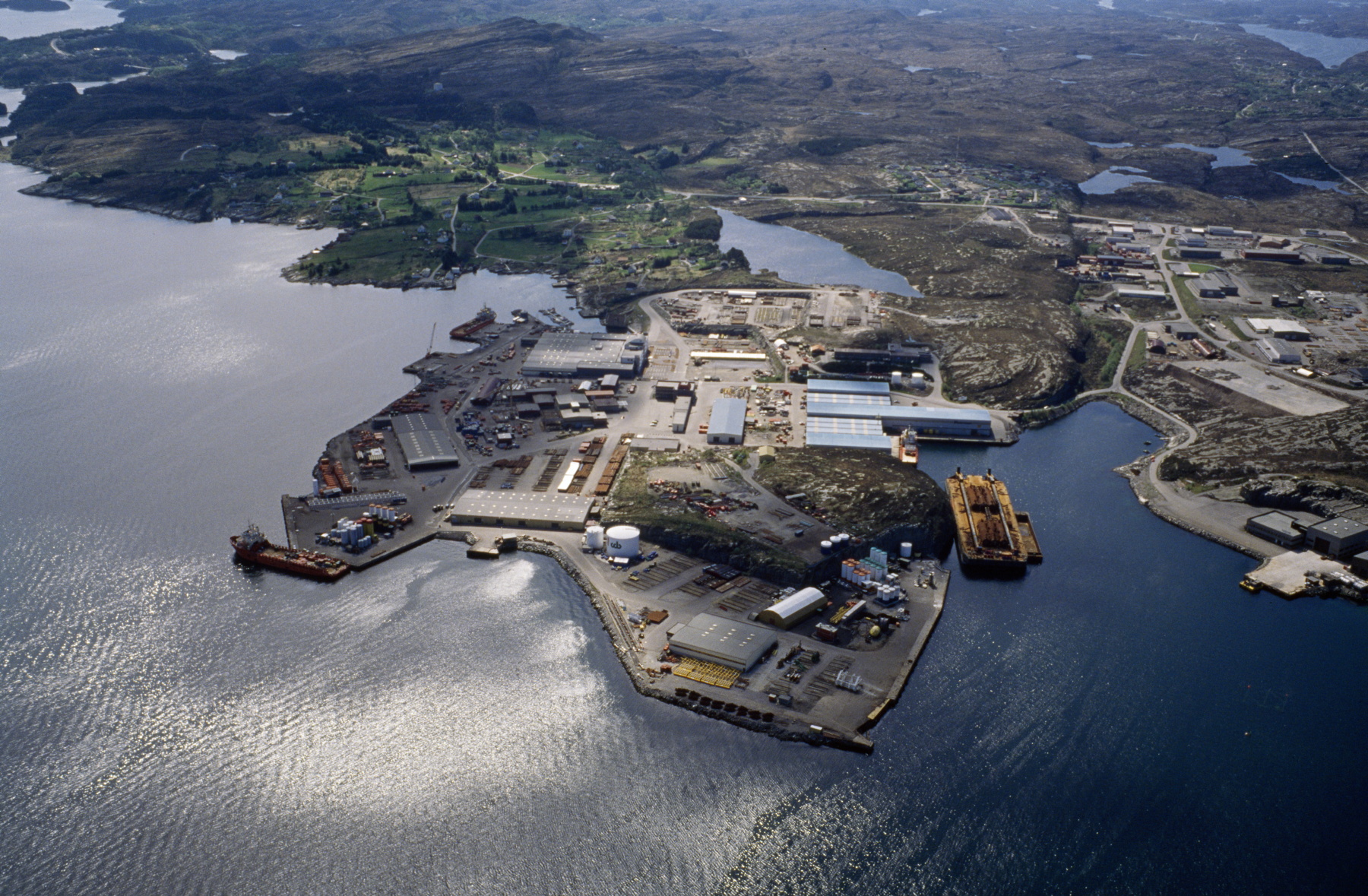
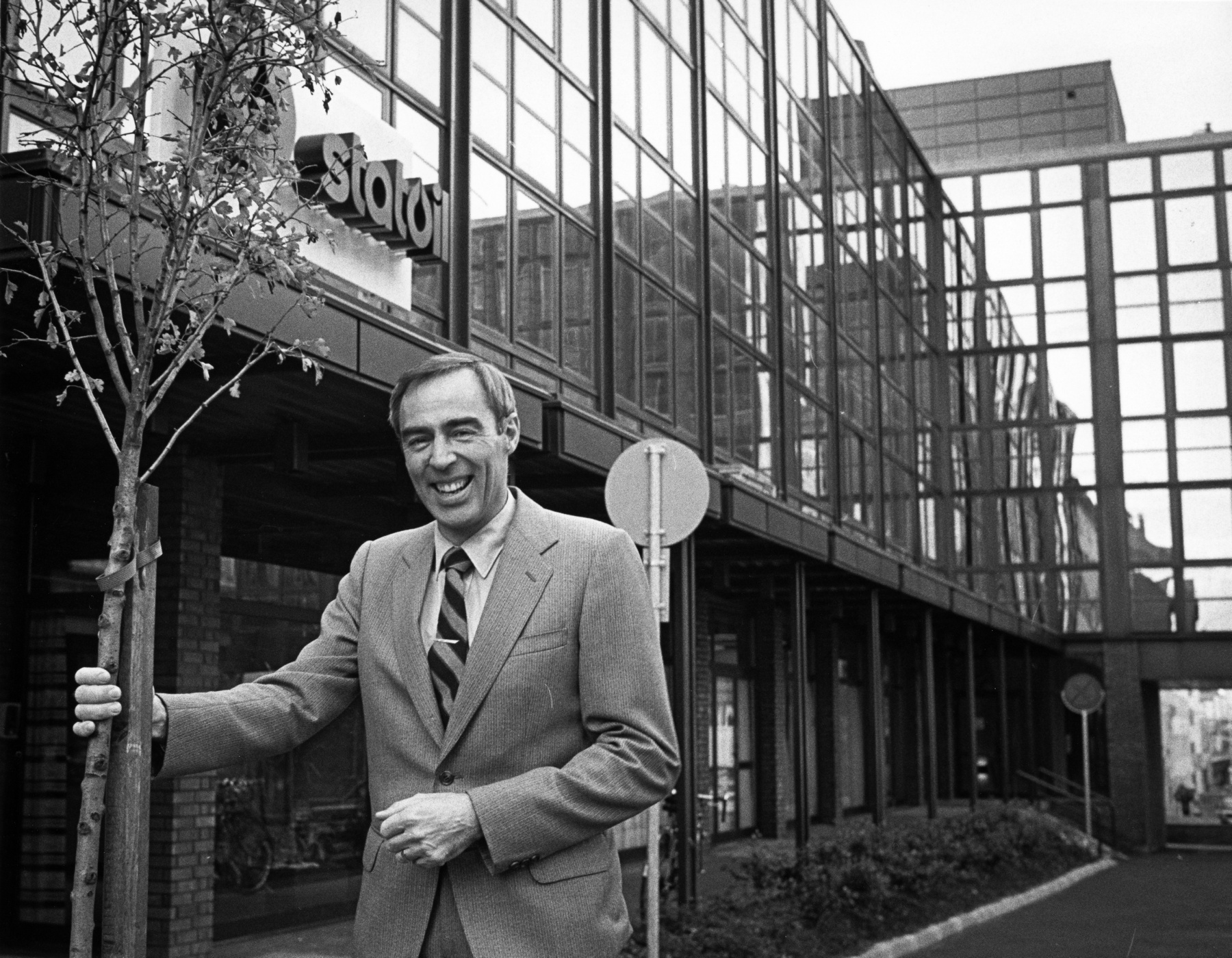
In 1979, Statoil’s drilling department became the company’s first unit to be relocated from Stavanger to another part of the country—Ågotnes, west of Bergen. In 1982, the operational organisation for Gullfaks was also moved to Bergen, which over the course of the decade developed into an increasingly important oil city. In the autumn of 1984, Statoil moved into new office facilities in Sandsli. In the years that followed, other companies followed suit.
Politically driven decentralisation
The authorities had a clear policy goal of spreading petroleum-related activity along the Norwegian coastline. One part of this strategy was to ensure that offshore field locations influenced where operational bases would be established, in order to create regional ripple effects.[REMOVE]Fotnote: Lerøen, B. V. (2006). 34/10 Olje på norsk – en historie om dristighet. Statoil, 76. In the fifth licensing round, oil companies were required to propose plans for regional offices.[REMOVE]Fotnote: Gjerde, Kristin Øye. “Oljebyer i Norge” i Norsk oljemuseums årbok (2011). Bergen offered an ideal location, with proximity to both the Gullfaks and Oseberg fields—and eventually to the Troll field, which would also be operated from Bergen.[REMOVE]Fotnote: Statoil. (1990, november). Gullfaks – glimt fra historien om et helnorsk oljefelt. Den norske stats oljeselskap a.s. Stavanger. Side 36. https://www.nb.no/items/4f4ceb82f9be24c64834e1a04a0a7ca1?page=0&searchText=helnorsk
Another tool available to the government was the “Establishment Act” (etableringsloven), which required companies to obtain permission from the Ministry of Local Government before launching major business developments.
At the municipal level, Bergen actively pursued oil-related jobs. In connection with Gullfaks, the city’s land development companies invested NOK 50–60 million in office infrastructure, and the permitting process moved quickly. The municipality also facilitated the transition by building housing and schools adapted for the children of foreign workers.[REMOVE]Fotnote: NRK. (1987, 25. mars). I nervesenteret for Gullfaks og Oseberg [Radioprogram]. Sandsli, Bergen.
Challenges of rapid expansion
Statoil’s expanding presence in the Bergen region was not without challenges. Rapid growth in such a capital-intensive sector risked driving up local prices and wages—potentially harming other industries and imposing adjustment costs on the wider community.
In a 1983 interview with Statoil’s internal magazine Status, Jakob Bleie, then Production Director for Gullfaks operations, said the company would take precautions to avoid driving up housing prices excessively. He also noted that most new hires came from other oil companies and that Statoil would offer only the level of wages necessary to attract the required talent—not more.[REMOVE]
Fotnote: Statoil. (1990, november). Gullfaks – glimt fra historien om et helnorsk oljefelt. Den norske stats oljeselskap a.s. Stavanger. Side 36. https://www.nb.no/items/4f4ceb82f9be24c64834e1a04a0a7ca1?page=0&searchText=helnorsk