
Why it Matters to Preserve and Document Gullfaks

In this article, key arguments for why Gullfaks merits preservation are
compiled and systematized. This provides a professional basis for the
documentation project and makes it easier to place the Gullfaks work in a
broader context of similar industrial and cultural heritage projects.
A starting point for making the field’s value visible to posterity is to
apply categories to the criteria we want to use. In this context, the
categories are: A) rarity, B) representativeness, and C) societal
significance.
These categories were developed in connection with the revision of the
Industrial Heritage Plan for the Norwegian continental shelf. The plan
guides which offshore installations should be prioritized for preservation
and/or documentation.
Assessment categories and criteria
Relevant literature and some of the foremost experts in the field were
consulted to develop the categories and criteria. Inspiration was first
drawn from the Norwegian Directorate for Cultural Heritage’s Valuation and
Weighting of Cultural Heritage. [REMOVE]Fotnote: https://riksantikvaren.no/veileder/verdisetting-og-verdivekting-av-kulturminner/Another central framework is Oil and Gas
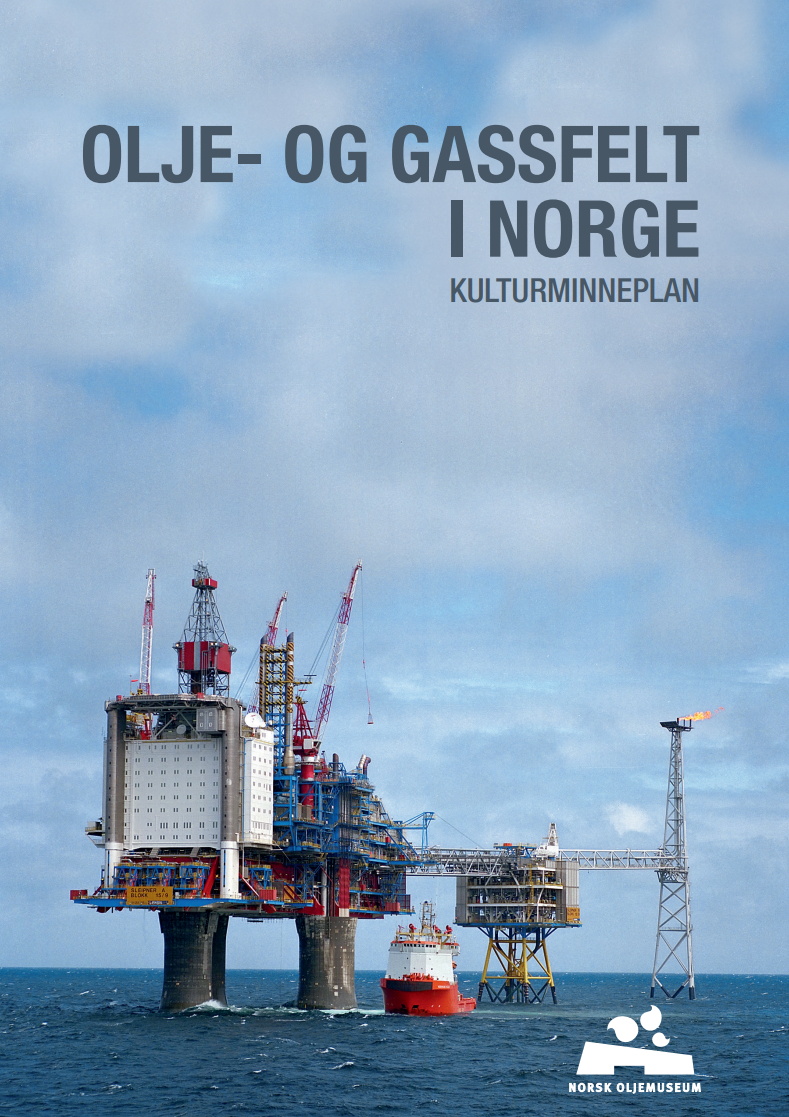
Fields in Norway: Cultural Heritage Plan, published by Norsk Oljemuseum in
2012.[REMOVE]Fotnote: Tønnesen, H. and Hadland, G.: Olje- og gassfelt i Norge. Kulturminneplan. 2nd ed. (Norsk Oljemuseum, 2012) https://www.norskolje.museum.no/forside/kunnskap/publikasjoner/olje-og-gassfelt-i-norge-kulturminneplan/ Across 266 pages, this book reviews all fields and field areas in the
North Sea, Norwegian Sea, and Barents Sea and ranks them by documentation
value. It is therefore perhaps the most important scholarly basis for
prioritizing which installations on the Norwegian shelf should be
documented in the future.
This is the framework on which the current revision of the Industrial Heritage Plan is based. Both plans were prepared in cooperation with the Directorate for Cultural Heritage and the largest actors on the Norwegian shelf, including the Ministry of Energy, the Norwegian Offshore Directorate, Offshore Norge, Equinor, Aker BP, Vår Energi, and Petoro. Other extensive plan works in book form that informed
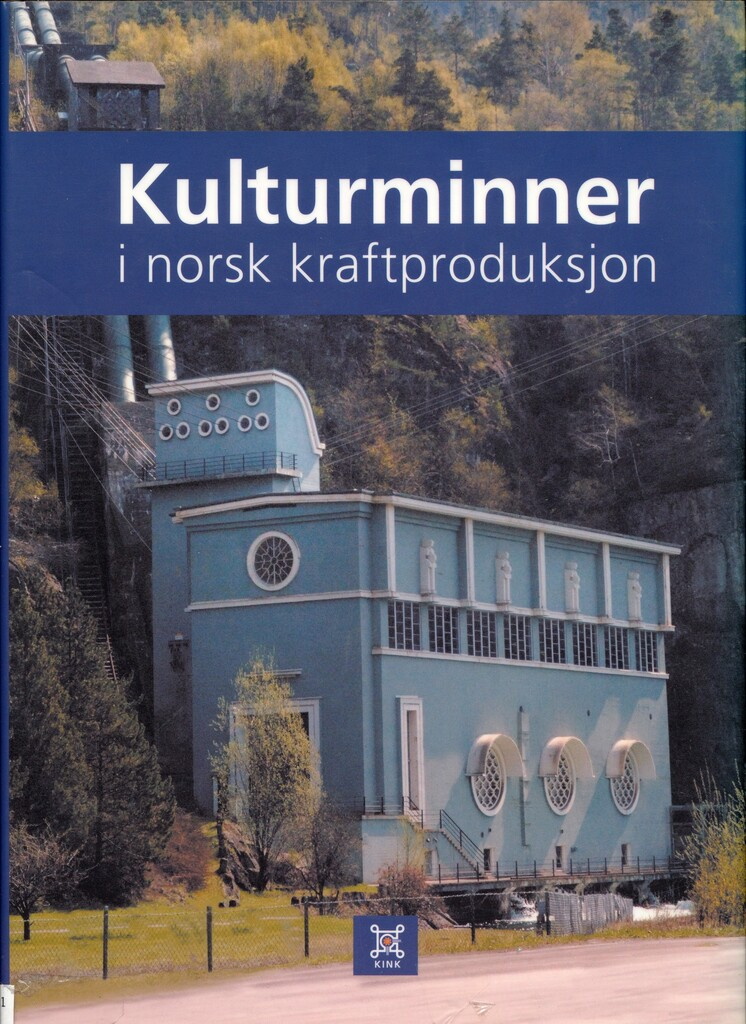
this effort include: The Cultural Heritage of Power Transmission; Room for Health – Main Features in the Building History of the Specialist Health Service; Cultural Heritage in Norwegian Power Production; and Road Choices. National Protection Plan. Roads – Bridges – Road‑Related Cultural Heritage.[REMOVE]Fotnote: Kraftoverføringens kulturminner (NVE 2010) https://publikasjoner.nve.no/rapport/2010/rapport2010_17.pdf,
Rom for helse – hovedtrekk i spesialisthelsetjenestens bygningshistorie (Helse- og omsorgsdepartementet 2012),
Kulturminner i norsk kraftproduksjon (NVE 2006/2013) https://publikasjoner.nve.no/rapport/2013/rapport2013_52.pdf,
Vegvalg. Nasjonal verneplan. Veger – Bruer – Vegrelaterte kulturminner (Statens vegvesen 2002) https://dms-cf-07.dimu.org/file/013AjPwokeU9
In addition to these plans, the categories and criteria draw on input from
the Industrial Heritage Plan’s project council (with members from all the
institutions and companies mentioned above that are active on the shelf)
and other professionals, including staff at Norsk Oljemuseum.
Let us now see how these categories and their criteria apply to Gullfaks:
Category A: Rarity
Criterion 1: Rarity here first concerns whether installations belong to a
distinct (technological) category.
The three main installations on Gullfaks represent a significant chapter in
the history of Condeep—the large concrete gravity‑based structures (GBSs)
built from the mid‑1970s to the mid‑1990s. Together with Statfjord,
Gullfaks is the only field with three Condeep installations. The three
Gullfaks substructures contributed to further developing the Condeep
concept after Statfjord.
In addition, a full‑scale subsea separation system was brought onstream in
the Gullfaks area (Tordis field) for the first time in 2007.
Criterion 2: Another aspect is whether the field/area has a special
function, for example in terms of climate measures.
Hywind Tampen supplies roughly one third of Gullfaks’ power demand. It is
the first time a field receives power from floating wind turbines. This
will also deliver a significant reduction in CO₂ emissions from the
platforms.[REMOVE]Fotnote: According to Konkraft, this is to «reduce the annual emissions from Gullfaks and Snorre by 200,000 tonnes of CO₂». In: Framtidens energinæring på norsk sokkel. Strategi mot 2030 og 2050. Statusrapport 2023. Konkraft 2023, p. 9.
https://www.konkraft.no/contentassets/f77cde111571449380bd18499dedf60b/konkraft-framtidens-energinaring.pdfl Gullfaks A received power from Hywind Tampen for the first time
in November 2022.
Category B: Representativeness
Criterion 1: For representativeness, the question is which installations
are the tallest, first, or heaviest among types of which there are
relatively many.
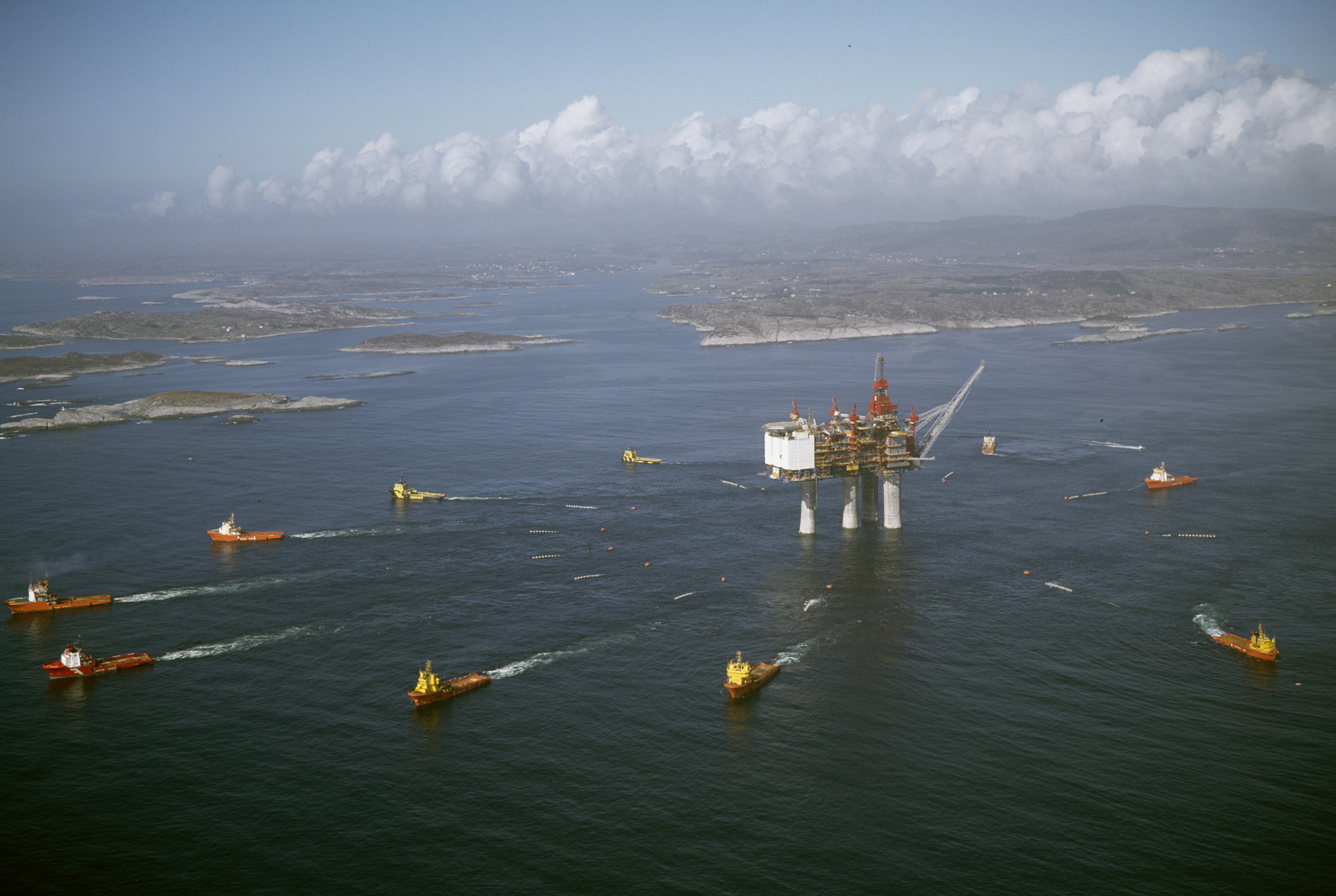
In this context, Gullfaks C occupies a special position as the heaviest
known installation ever to be relocated.
Category C: Societal significance
Criterion 1: Regarding societal significance, the question is whether
material developments or events can be linked to the field/area—for
example in the cultural sphere, (regional) politics, research, pedagogy,
and the economy.
A cultural dimension often ascribed to Gullfaks is that it perhaps more
than any other field represents Norwegian contributions at virtually every
level: Statoil held operatorship from the very beginning—an essential step
on the path to becoming a fully‑fledged operating company.
All the licensees were Norwegian as well, with equity shares of 85, 9, and
6 percent held by Statoil, Norsk Hydro, and Saga Petroleum, respectively.
The license remained in Norwegian hands until Austrian OMV purchased a
19 percent stake from Statoil in 2013.[REMOVE]Fotnote: Gullfaks-lisensen fra 1978 til 2023.docx (sharepoint.com)
Significant resources were also invested in developing a Norwegian
offshore vocabulary, including a glossary. On Gullfaks A alone, several
million were spent on signage and manuals.[REMOVE]Fotnote: https://equinor.industriminne.no/gullfaks-det-forste-norske-feltet/
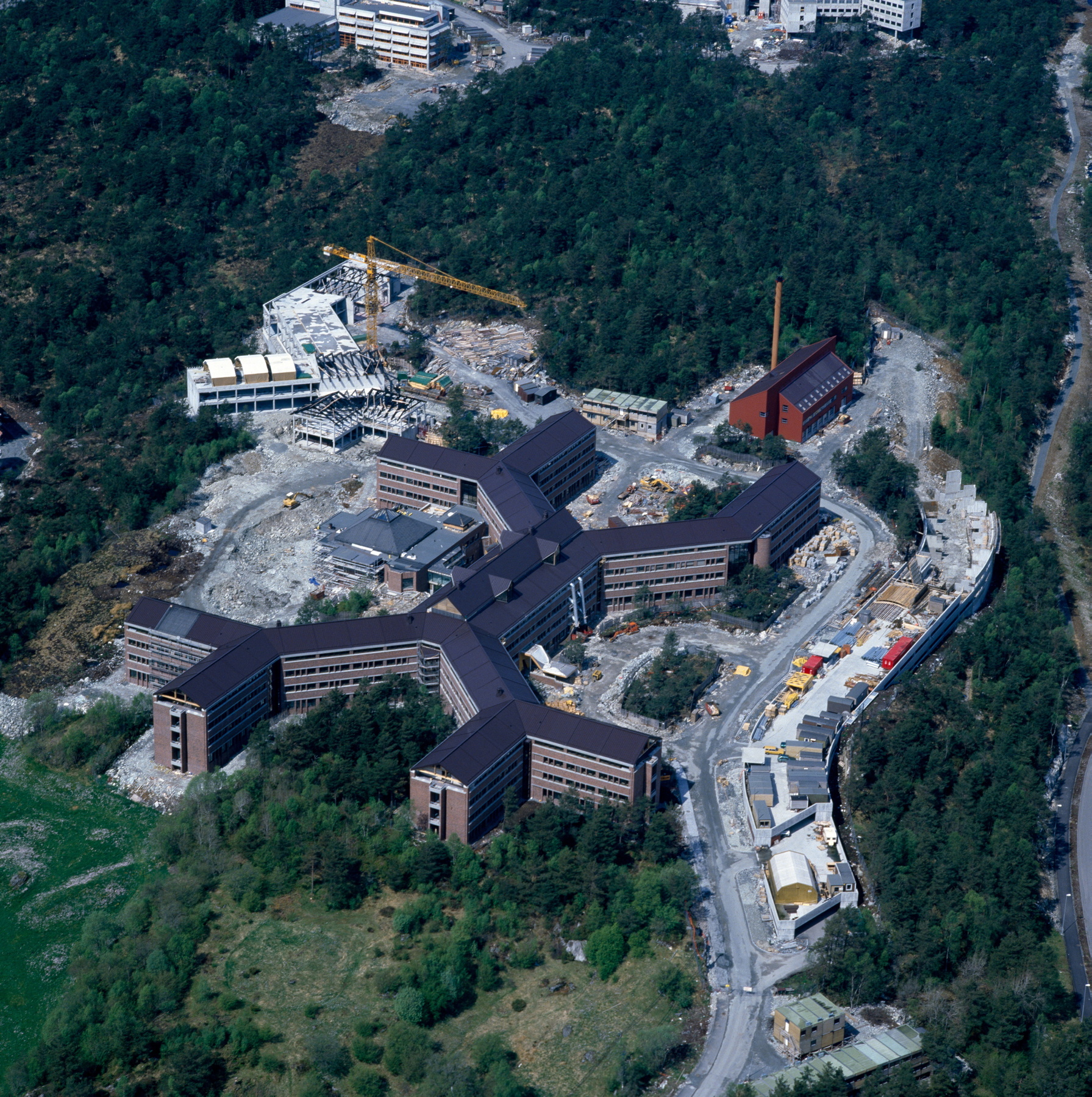
On the regional policy dimension, the field mattered to greater Bergen,
with the operations organization headquartered at Sandsli. The supply base
is at Mongstad.
Renewable energy as a contribution to meeting offshore power demand can
also have substantial scientific value.
Using Norwegian as a working language may have made it easier for Norwegian
workers to learn and understand offshore methods—a clear pedagogical
benefit.
With reserves on the order of the Johan Sverdrup field, there is little
doubt the field has also played a significant economic role and thus earns
its place as a field of major societal importance.
Conclusion
Taken together, these categories and criteria support Gullfaks’ position as
a primary field in the Industrial Heritage Plan—that is, a field to be
preserved/documented for posterity. This classification is an important
starting point for realizing the Gullfaks documentation project.
Once the documentation is complete, Gullfaks will join the ranks of fields
preserved for the future through projects of this type. Previous
documentation projects have covered the Ekofisk, Frigg, Statfjord, Valhall,
and Draugen fields. Together they constitute a substantial contribution to
Norway’s oil and energy history.